The Nature of Risk in Gambling
Risk is an inherent aspect of gambling, captivating players who are both intrigued and exhilarated by the potential for both loss and gain. When individuals participate in gambling activities, they are often driven by the thrill of uncertainty, which can evoke strong emotional responses. This uncertainty triggers a psychological phenomenon in which the brain releases dopamine, especially in reaction to wins or near-wins. Such neurochemical reactions reinforce the desire to continue gambling, even amidst potential losses, creating a compelling cycle of behavior that keeps players returning to the betting table. Many enthusiasts enjoy exploring online casino australia options to understand better this psychological draw helps clarify why people often engage in gambling despite the inherent risks involved.
The nature of risk in gambling environments also stems from variances in individual tolerance for risk. Some players are naturally risk-averse, meticulously weighing the odds before placing a bet, while others display a higher propensity for risk, often engaging more impulsively. This divergence in psychological profiles significantly impacts how players approach gambling, influencing decision-making processes and overall experiences. For instance, high-risk seekers may derive considerable enjoyment from games with greater volatility, while more cautious individuals might prefer stable betting options with lower volatility, leading to diverse gambling behaviors.
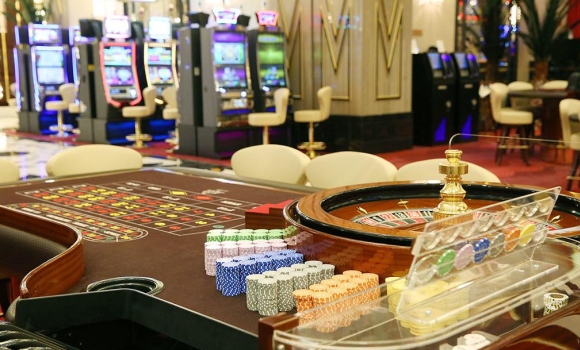
Additionally, the environments in which gambling takes place are meticulously designed to amplify the perception of risk. The visual and auditory stimuli present in casinos—such as bright lights, vibrant colors, and the alluring sounds of ringing slot machines—create a visceral atmosphere that enhances emotional engagement. Gamblers often feel a sense of urgency and excitement as they navigate these spaces, heightening their susceptibility to making risky decisions. In this context, the environment transcends mere backdrop, becoming a crucial element that molds the psychological experience of risk-taking, highlighting the intricate connection between setting and behavior.
The Role of Cognitive Biases
Cognitive biases significantly affect how gamblers perceive risk. A common bias is the illusion of control, where individuals believe that they have greater influence over the outcome of a game than they truly do. For example, a player might think that their betting strategies or personal playing styles can influence the randomness of a game, such as roulette or slots. This inflated sense of control can lead to increased risk-taking, as players feel emboldened by the false belief that they can sway the odds in their favor, often overlooking the fundamental nature of these games as chance-based.
Another prevalent cognitive bias is the gambler’s fallacy, wherein individuals mistakenly believe that past outcomes can influence future events in random games. For instance, a player might think that a particular number, which hasn’t appeared in a long time, is ‘due’ to come up soon. This misconception can lead to illogical betting patterns, where players escalate their stakes based on erroneous assumptions about the game’s mechanics. Both the illusion of control and the gambler’s fallacy significantly distort the gambler’s perception of risk, guiding them toward decisions that lack statistical grounding and often resulting in increased losses.
The framing effect also plays an important role in decision-making within gambling contexts. Depending on how a situation is presented—whether as a potential loss or a potential gain—players may react differently. For example, the idea of a “free bet” might encourage more risk-taking compared to the perception of losing real money. This psychological manipulation is crucial in shaping how gamblers engage with risk and ultimately influences their behavior and outcomes in gambling environments. Understanding these biases can help players make more informed decisions and promote healthier gambling habits.
The Emotional Highs and Lows of Gambling
The emotional rollercoaster experienced during gambling is a significant factor affecting risk perception. Winning can evoke feelings of exhilaration, pride, and heightened self-esteem, reinforcing a desire to take more risks in hopes of replicating those emotions. This phenomenon, often referred to as the “winner’s high,” creates a powerful psychological drive to continue gambling, even in light of potential losses. The surge of positive emotions can cloud judgment, leading individuals to make impulsive decisions they might not ordinarily consider, thereby increasing their exposure to risk.
Conversely, the emotional toll of losing can be substantial. Players frequently experience disappointment, frustration, and even despair after a losing streak, culminating in a phenomenon known as chasing losses. This behavior occurs when individuals increase their betting amounts in an attempt to recover lost funds, often resulting in even greater financial losses. The emotional highs and lows create a precarious balance, where gambling habits can spiral out of control, significantly impacting individuals’ mental health and financial stability. Recognizing these emotional triggers is essential for players aiming to maintain a balanced approach to gambling.
Moreover, the impact of emotions extends to social contexts as well. Gambling often occurs in groups, and the collective emotional experience can amplify individual feelings of risk-taking. Players may feel emboldened by the presence of others, leading them to take riskier bets due to perceived social validation. This dynamic creates an environment where individual decision-making is influenced not only by personal psychology but also by the collective energy and emotions of those around them. Understanding the social influences on gambling behavior can provide insight into why individuals may take risks they wouldn’t normally consider when alone.
The Influence of Environment and Design
The physical design of gambling spaces is meticulously crafted to influence player psychology and risk-taking behaviors. Elements such as layout, lighting, and sound are strategically employed to create an immersive experience that encourages prolonged engagement. For instance, casinos often utilize bright colors and engaging soundscapes to stimulate excitement and anticipation, making it easy for players to lose track of time and money. This design approach not only enhances the thrill of gambling but also increases risk by creating an environment that minimizes awareness of spending, ultimately encouraging greater betting behavior.

Furthermore, the arrangement of games and machines can dictate player traffic flow, influencing choices made in the moment. High-stakes games are often positioned in prominent areas to attract thrill-seekers, while lower-stakes games may be tucked away, subtly discouraging more cautious players from exploring riskier options. This intentional placement leverages the psychology of visibility and accessibility, significantly impacting how individuals interact with various gambling elements and their propensity to take risks. The design of these environments plays a critical role in shaping player experiences and outcomes.
The atmosphere of camaraderie and competition within gambling spaces also fosters heightened risk-taking. Players often draw excitement from observing others’ behavior, which can lead to mimicking actions that involve greater risk. This social proof can significantly shape individual decisions, as people may feel encouraged to engage in high-stakes betting due to the actions of those around them. Ultimately, the environment itself serves as a critical determinant in how players perceive and engage with risk in gambling contexts, illustrating the intricate relationship between setting and behavior.
Understanding the Digital Gambling Landscape
The rise of online gambling has introduced a new dimension to the psychology of risk. Digital platforms offer users an unprecedented level of accessibility to gambling activities, profoundly affecting their perceptions of risk. The convenience of gambling from home diminishes some of the physical deterrents associated with traditional environments, allowing players to engage more frequently. This shift can lead to heightened risk-taking, as the immediate gratification of online play encourages impulsive betting behaviors that may not be as prevalent in physical settings, creating a cycle of risk that is harder to escape.
Moreover, the anonymity of online gambling can alter a player’s relationship with risk. Without the social checks and balances present in physical gambling environments, individuals may take larger risks than they would otherwise consider. The detached nature of online play can exacerbate cognitive biases, such as the illusion of control and the gambler’s fallacy, as players feel less accountable for their actions. This can create a dangerous cycle of risk-taking that escalates over time, leading to potential negative consequences for individuals and their finances.
Furthermore, digital platforms employ sophisticated algorithms and data analytics to tailor experiences to individual users, which can further influence their approach to risk. Targeted promotions, personalized experiences, and gamified elements create a sense of engagement that can manipulate perceptions of risk and reward. Hence, understanding the psychological factors at play in digital gambling environments is critical for both players and operators aiming to promote responsible gaming practices and mitigate risks associated with gambling. This understanding can lead to the development of better strategies for encouraging safe gambling behaviors in the digital age.